

Papua Indonesia 8/11/2025, WorldWartaGlobal. Id
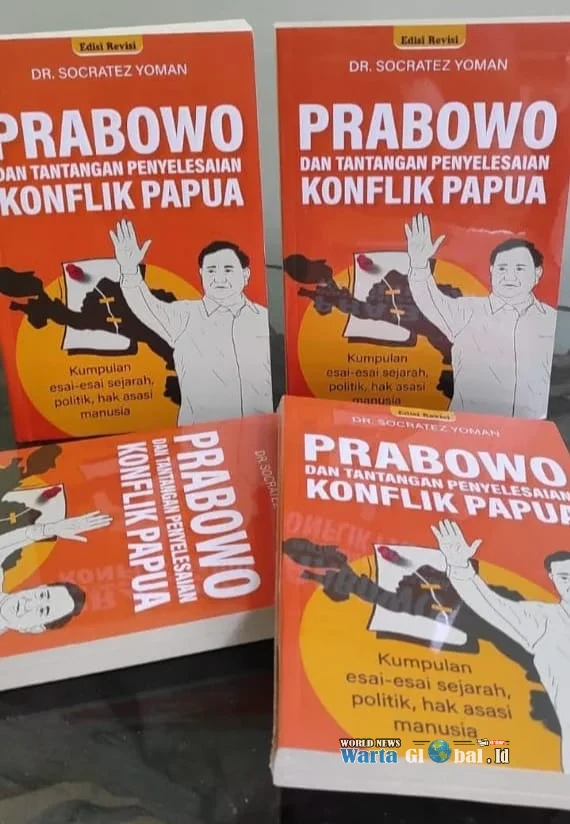
Voices for Prabowo: Addressing the Root Causes of the West Papua ConflictThe violence against humanity in West Papua is not isolated nor solely an Indonesian issue. International involvement, including the United States, the Netherlands, Indonesia, and the United Nations, played a role in shaping West Papua’s fate through the 1962 New York Agreement. Therefore, holding these entities morally, ethically, and politically accountable is crucial in resolving the chronic conflict in the region.The ideology of Papuan independence runs deep and cannot be traded for development, money, or political positions. Ethnic, ideological, anthropological, sociological, and geographic differences make this conflict complex. The Papuan independence movement cannot be resolved by Special Autonomy laws, provincial expansions, political rewards to puppet leaders, presidential visits, or state development programs that should be standard obligations.
The Indonesian government uses various means—legal and illegal, truthful and deceptive—to retain control over West Papua. Meanwhile, the Papuan people persistently educate Indonesian authorities and the international community with truthful data and facts through honest and objective approaches, advocating for respect of their rights and dignity as a sovereign nation since December 1, 1961, rather than mere “colonial puppet provinces.”Development initiatives touted by the Indonesian government as a means to improve welfare are seen by Papuans as modern colonialism backed by military culture and violence. The 2001 Special Autonomy Law, revised in 2021, serves more to mask the conflict than to resolve its root causes, perpetuating the suffering of the Papuan people.Under the leadership of Prabowo Subianto, it is essential to take concrete, strategic, and constructive steps to resolve the deep-rooted Papua conflict through neutral third-party mediation in neutral locations.
The example of engaging GAM in Helsinki talks in 2005 remains relevant, as Papua’s conflict now carries significant international dimensions. Though governed by Indonesia for over 60 years,
Papuan nationalist ideology remains alive and growing stronger.Prabowo Subianto, currently in power, holds the key to determining the direction of peace efforts. His leadership is characterized by integrity, sincerity, and genuineness without duplicity, serving as a bridge of trust to resolve the Papua conflict through progressive, non-military approaches grounded in equality and respect for human dignity without compromising ideological beliefs and faiths.
Prabowo’s strong decision-making and implementation skills can leave a positive legacy by promoting a more professional and humane security presence in West Papua and responding thoughtfully to critical voices calling for justice, equality, and human rights.He must base his understanding on accurate and comprehensive facts, recognizing that economic welfare is not the core issue—the heart of the conflict is ideological difference.
Basic state obligations like infrastructure development, civil service appointments, military inclusion, and special autonomy do not address the conflict’s roots. Instead, Prabowo should pursue a conflict resolution approach involving dialogue with political leaders in Papua.Concrete measures include establishing a special team or envoy tasked solely with conflict resolution, reporting directly to the president.This tangled and prolonged conflict demands mutual trust and acknowledgment of truth across different ideologies.
Only those with clear thinking, open hearts filled with light, truth, and forgiveness can create pathways to dialogue and negotiation. Resentment, hatred, lies, and hypocrisy have no place in solving the Papua conflict. It requires leaders with compassion and integrity dedicated to peace.
Source:
Dr. Socratez Yoman (President of West Papua Baptist Churches Fellowship; Member of Papua Churches Council / WPCC; Member of Pacific Conference of Churches / PCC; and Member of Baptist World Alliance / BWA)
Views Post


